
Heart Health and Hearing Loss: What You Need to Know

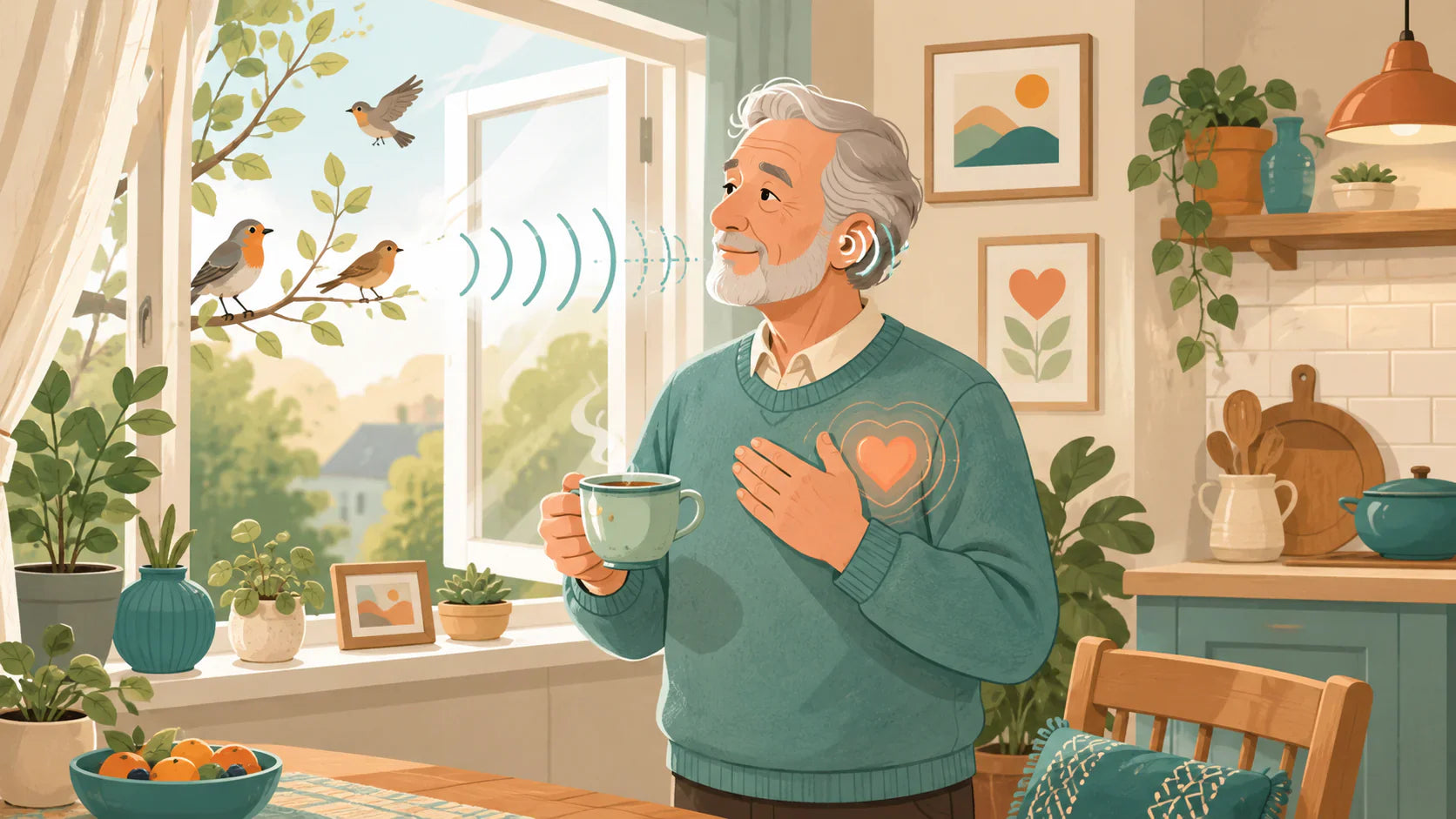
You pour a cup of tea and open the window to hear the morning birds. But the melody seems softer today. As you walk across the kitchen you feel slightly breathless, your heart beating a little faster than normal. It’s easy to shrug off isolated moments like these, yet they can hint at two interconnected conditions that become more common as we grow older: cardiovascular disease and hearing loss.
Recognising how heart health and hearing are connected can help you make small changes today that protect your quality of life tomorrow.
Why the Connection Between Heart Health and Hearing Loss Matters

Cardiovascular disease, often shortened to CVD, remains the leading cause of death worldwide. According to the World Health Organization, approximately 19.8 million people died from cardiovascular diseases in 2022, representing around 32% of all global deaths.
Heart attacks and strokes account for many of these deaths, while around three-quarters occur in low and middle-income countries.
Most people understand that cardiovascular disease can affect the brain, kidneys and other vital organs. Its possible influence on hearing, however, receives much less attention.
Hearing difficulties are also common in later life. The National Institute on Deafness and Other Communication Disorders reports that disabling hearing loss affects approximately:
- 22% of adults aged 65 to 74
- 55% of adults aged 75 and older
Hearing rarely disappears overnight. It often fades gradually, which makes early changes easy to overlook.
You might begin turning up the television, asking people to repeat themselves or struggling to follow conversation in busy places. Understanding the shared risk factors for cardiovascular health and hearing can help you act before these small changes begin to interfere with everyday life.
How Does Heart Health Affect Hearing?
The inner ear contains some of the smallest and most delicate blood vessels in the body.
According to the American Academy of Audiology, these vessels need a steady supply of oxygen-rich blood for the auditory system to work properly. When cardiovascular disease narrows, damages or blocks blood vessels, less blood may reach the inner ear.
This reduced circulation can affect the structures that allow you to hear, including the tiny sensory hair cells inside the cochlea. These cells convert sound waves into electrical signals that your brain can understand.
Once damaged, these hair cells generally cannot repair themselves. The result may be sensorineural hearing loss, which is usually permanent.
Neither medicine nor surgery can typically reverse this type of hearing loss, although hearing aids can often help by making speech and everyday sounds easier to process.
What Does Current Research Suggest?
Research continues to explore the relationship between sensory health and cardiovascular disease.
A longitudinal study in China followed more than 11,000 adults aged 45 and older. Researchers found that people reporting hearing problems were approximately 20% more likely to develop cardiovascular disease than those without sensory impairments.
Participants experiencing both hearing and vision difficulties had a 35% higher risk.
The researchers suggested that identifying and addressing hearing and vision difficulties earlier could form part of broader cardiovascular health strategies.
Important context: The study identified an association, not proof that hearing loss directly causes cardiovascular disease. Even so, it shows why sensory health deserves a place in conversations about overall wellbeing.
Another memorable statistic comes from a public health pamphlet produced by the University of Illinois Speech and Hearing Clinic. It reports that hearing loss is 54% more likely among people with heart disease than among those without cardiovascular problems.
Together, these findings support the idea that poor circulation may affect the tiny cochlear hair cells that are essential for hearing.
A useful way to think about it: Your inner ear is small, but its need for healthy circulation is significant. Changes affecting blood flow elsewhere in the body may also influence how well your hearing system functions.
What Risk Factors Do Heart and Hearing Health Share?

Many habits and health conditions linked to cardiovascular disease may also influence hearing health.
The inner ear is highly sensitive to insufficient oxygen and reduced blood supply. A clinical review found that diabetes, smoking and hypertension remained strongly associated with hearing loss even after researchers accounted for age and exposure to loud noise.
| Shared risk factor | Why it matters for heart health | Why it may matter for hearing |
|---|---|---|
| High blood pressure | Can damage blood vessels and increase cardiovascular strain. | May affect the tiny arteries supplying the cochlea. |
| Elevated cholesterol | Can contribute to narrowed or blocked blood vessels. | Reduced circulation may influence inner-ear function. |
| Diabetes or poorly controlled blood sugar | Can damage blood vessels throughout the body. | May affect the delicate circulation that supports the auditory system. |
| Smoking | Increases cardiovascular risk and affects blood vessel health. | Has been strongly associated with hearing loss in clinical research. |
| Obesity and physical inactivity | Can increase risk of high blood pressure, diabetes and cardiovascular disease. | May indirectly affect hearing by reducing circulation and overall vascular health. |
| Unhealthy diet and harmful alcohol consumption | Can contribute to cardiovascular risk factors. | May affect the vascular health that the inner ear depends on. |
High blood pressure, raised cholesterol and excess weight can restrict or damage blood vessels throughout the body. That includes the tiny arteries supplying the cochlea.
The World Health Organization identifies unhealthy diets, tobacco use and harmful alcohol consumption among the major modifiable behaviours that increase cardiovascular risk.
Addressing these areas may therefore support more than your heart. Managing blood pressure, staying active, moderating alcohol, maintaining a healthy weight and stopping smoking may also help protect the circulation your ears rely on.
Signs That Should Not Be Ignored

It is not always possible to tell whether hearing changes are connected to cardiovascular health, age, noise exposure or another cause without professional assessment.
However, certain signs deserve attention:
- A sudden drop in hearing, particularly in one ear
- Persistent ringing or buzzing, known as tinnitus
- New dizziness or light-headedness
- Increasing difficulty following speech in background noise
- A noticeable change in how clearly voices sound
- Feeling unusually tired after conversations
If hearing changes appear alongside chest discomfort, breathlessness, faintness or an irregular heartbeat, seek medical advice promptly.
Urgent warning: Sudden hearing loss should also be treated as urgent. Early assessment can improve the chances of identifying the cause and receiving appropriate treatment.
Why Regular Screening Matters
Routine health checks commonly include blood pressure, cholesterol, weight and blood sugar. Hearing, however, is often left unchecked until the problem becomes difficult to ignore.
Many adults wait years before booking a hearing assessment. During that time, small difficulties may gradually begin affecting conversation, confidence and safety.
Reduced blood flow is one pathway through which cardiovascular disease may affect the inner ear. For this reason, gradual hearing changes may provide another useful piece of information when your GP is considering your wider health.
Regular hearing screening after the age of 60 can:
- Identify small changes before they become disruptive
- Establish a baseline for future comparison
- Help distinguish hearing loss from communication or memory concerns
- Give your GP or audiologist additional insight into your general health
- Support earlier treatment or hearing aid fitting where needed
If you already have diabetes, hypertension, high cholesterol or another cardiovascular risk factor, adding a regular hearing test to your health routine may be particularly helpful.
The assessment is simple, non-invasive and usually does not take long.
Hearing, Mood and Social Connection
Hearing loss affects far more than the volume of sound.
Missing a punchline at dinner, struggling during a telephone call or losing track of conversation in a restaurant can gradually make social occasions feel like hard work. Some people begin declining invitations because listening feels tiring or embarrassing.
Untreated hearing loss has been linked with social isolation, depression and cognitive decline.
These emotional effects can also make it harder to stay physically active. Someone who no longer enjoys group activities may stop attending a walking club, exercise class or community gathering.
How it starts
Hearing becomes harder. Social situations feel tiring. The person withdraws. Physical and mental activities decrease. Overall well-being may suffer.
Protecting your hearing can therefore support emotional wellbeing and encourage you to remain connected with family, friends and your community.
Simple actions still matter. Calling a friend, joining a walking group, attending a class or listening to music you enjoy can stimulate the mind and encourage gentle movement.
Caring for your heart and hearing becomes part of the same compassionate self-care routine.
Everyday Steps to Support Your Heart and Hearing

Improving cardiovascular health does more than protect the heart. It also helps nourish the blood vessels supplying the inner ear.
The foundations are straightforward:
Build a heart-friendly plate
Choose a varied diet containing fruit, vegetables, whole grains and other nutrient-rich foods. A balanced diet can support healthy cholesterol, weight and blood pressure.
Keep moving
Regular walks, swimming, gardening or other gentle exercise can improve circulation and support cardiovascular fitness.
Know your numbers
Ask your healthcare professional to monitor blood pressure, cholesterol, blood sugar, weight and waist measurement. Managing these areas is particularly important if you live with diabetes.
Protect yourself from avoidable risks
Avoid smoking, moderate alcohol consumption and use appropriate hearing protection around loud noise.
Make screening part of your routine
Schedule regular heart checks and hearing assessments rather than waiting for symptoms to interfere with your daily life.
Not sure where your hearing stands?
A quick hearing check can make the next step clearer. You can start with Auzen’s online hearing test, explore current hearing aids, or book a free appointment with an Auzen audiologist for friendly, no-pressure guidance.
Where Hearing Aids Fit into the Picture
Hearing aids cannot cure cardiovascular disease, repair damaged inner-ear hair cells or prevent every future hearing change.
They can, however, make a meaningful difference when permanent hearing loss has already occurred.
Modern hearing aids are slim, discreet and often rechargeable. Depending on the model, useful features may include:
- Directional microphones that focus on speech
- Background noise reduction
- Automatic adjustment between environments
- Bluetooth connectivity for calls, television and audio streaming
- Rechargeable batteries
- App-based controls
- Remote adjustments from an audiologist
By making speech easier to follow, hearing aids can reduce some of the strain involved in conversation. They may also help you feel more confident staying involved with family, friends and community activities.
Improved communication can support social connection, which is important because isolation and withdrawal have been associated with poorer emotional and cognitive wellbeing.
Important: Always discuss your medical history with your audiologist. This is especially important if you have a pacemaker or another implanted cardiac device.
Your audiologist can help you understand which devices and wireless accessories are appropriate for your circumstances.
Working With Your Audiologist and Medical Team
Audiologists do not look at hearing in complete isolation. Your wider health, medications and lifestyle can influence both your hearing and the type of support that may suit you.
When appropriate, an audiologist may coordinate with your GP or cardiologist to ensure hearing devices and accessories do not interfere with implanted medical equipment.
Before your appointment, make a note of:
- Current medications
- Diagnosed heart conditions
- Previous operations or implants
- Episodes of dizziness or faintness
- Tinnitus or sudden hearing changes
- Situations in which listening feels most difficult
Some cardiovascular medicines may cause temporary hearing changes or tinnitus in certain people. Sharing a full medication list helps your clinician understand the wider picture and tailor their recommendations.
Medication note: Never stop taking prescribed medicine without speaking to your doctor.
Who Should Be Particularly Proactive?
Anyone can experience cardiovascular disease or hearing loss, but certain groups may benefit from closer monitoring.
Be particularly mindful if you:
- Are aged 60 or older
- Have diabetes
- Have high blood pressure
- Have elevated cholesterol
- Smoke or previously smoked
- Have a history of cardiovascular disease
- Spend long periods around loud machinery or music
- Regularly experience tinnitus, dizziness or difficulty hearing speech
A Colorado study found that men were more likely than women to experience hearing loss when cardiovascular risk factors were present.
If several of these factors apply to you, regular heart and hearing screening becomes especially important. It allows small changes to be spotted earlier and gives you time to make practical lifestyle adjustments.
How Auzen Supports Your Hearing Journey
Every hearing aid bought through Auzen comes with hearing care support, including unlimited remote fitting sessions with a qualified Auzen audiologist. You also receive a compatible charger, a four-year manufacturer warranty, a 30-day money-back guarantee and a pack of cleaning accessories.
Auzen audiologists can also:
- Guide you through an online hearing test
- Explain hearing aid styles and features
- Discuss your listening priorities
- Consider any relevant heart-health concerns
- Help you find a device that fits comfortably into daily life
Ready to look after your hearing?
If you have noticed subtle changes in your hearing, or you live with cardiovascular risk factors, a simple hearing assessment can offer valuable clarity. Start with Auzen’s online hearing test, explore hearing aids from trusted premium brands, or book a free appointment with an Auzen audiologist.
Want expert guidance on your hearing?
Schedule Your Free ConsultationOur audiologists can help you understand your hearing, explain your options and recommend hearing aids suited to your lifestyle, comfort and medical history.
Explore Our Full Range of Hearing AidsConclusion
Your ears and heart may seem like separate parts of the body, but both depend on healthy circulation.
Heart disease does not automatically cause hearing loss, and hearing loss does not necessarily mean you have cardiovascular disease. The connection is more nuanced. Research shows associations and shared risk factors rather than one simple cause-and-effect relationship.
The encouraging part is that many protective steps overlap.
Eating well, staying active, avoiding smoking, managing blood pressure and attending regular health checks may support both cardiovascular and hearing health. When permanent hearing changes are present, hearing aids can help you communicate more comfortably and remain socially connected.
Pay attention to the quiet signs. A television that seems softer, conversations that require more effort or persistent ringing may be worth discussing with a professional.
Small steps taken early can help protect the moments, relationships and sounds that matter most.
Frequently Asked Questions
Can heart disease cause hearing loss?
Cardiovascular disease may reduce blood flow to the tiny arteries supplying the inner ear, potentially damaging the structures responsible for hearing. Not everyone with heart disease develops hearing loss, but research suggests the risk may be higher.
How can I support both heart and hearing health?
Eat balanced meals, exercise regularly, avoid smoking and manage blood pressure, cholesterol and diabetes. These habits improve circulation and may help protect the inner ear. Regular heart and hearing assessments are also important.
Are hearing aids safe for people with pacemakers or other cardiac devices?
Most modern hearing aids are considered safe for people with pacemakers. However, always discuss your medical history, implant and wireless accessories with your audiologist and cardiologist so they can recommend suitable options.
Medical Disclaimer: This article is for informational purposes only and does not constitute medical advice. If you are concerned about your hearing or heart health, please consult a qualified audiologist, GP or cardiologist.
